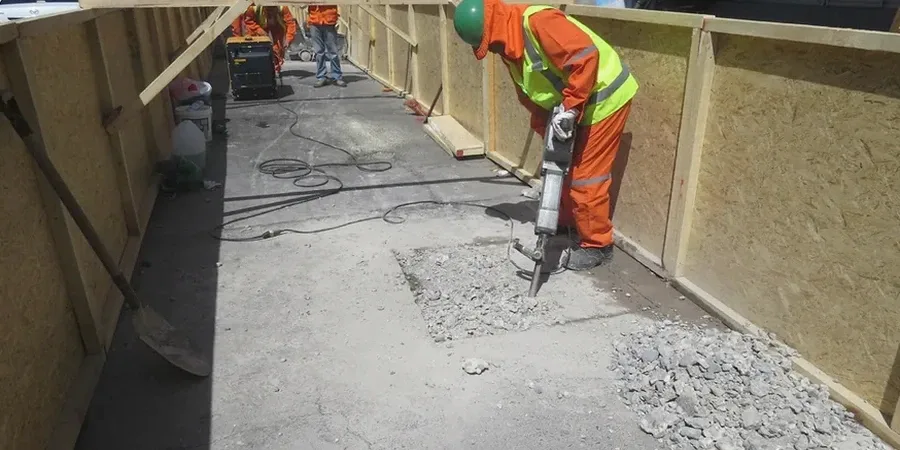
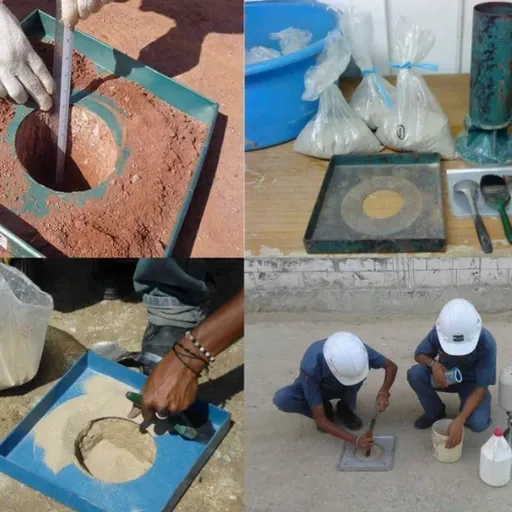
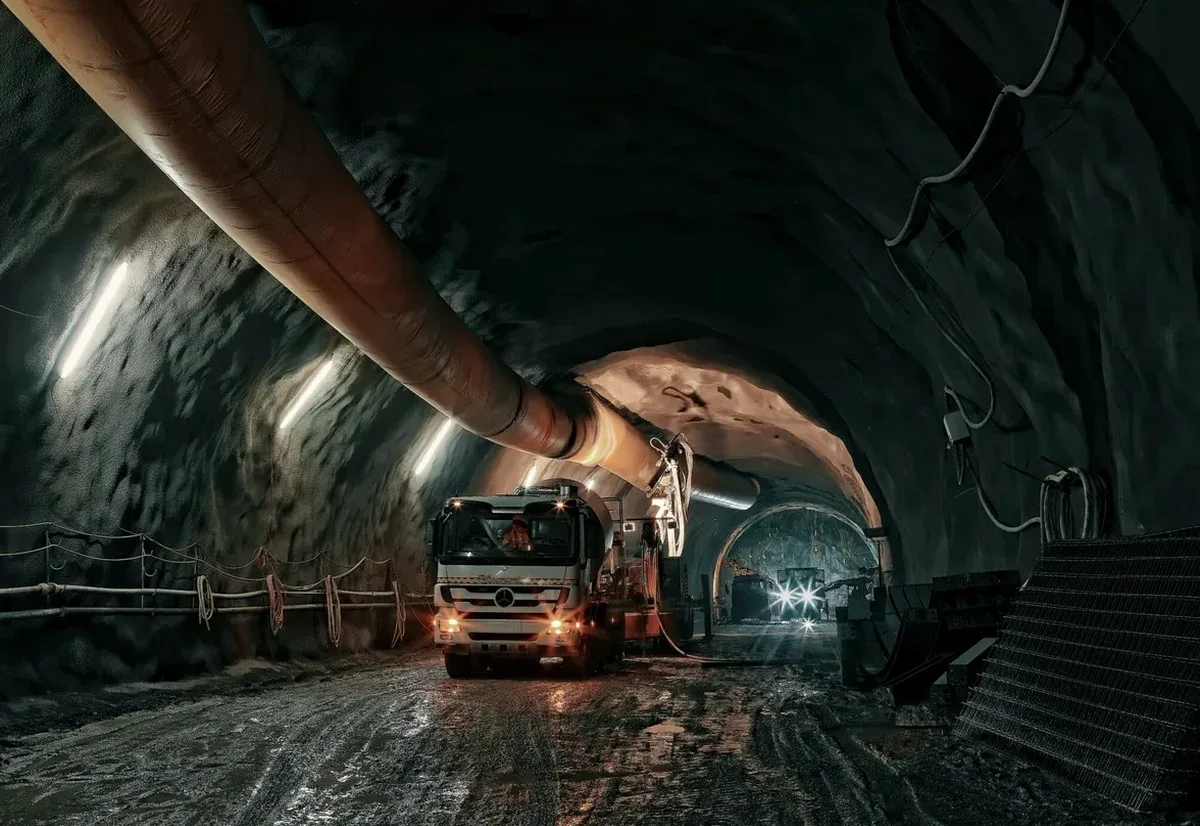
With over 70,000 people living on a complex geological chessboard of Cambrian rock and deep marine clay, Saint John presents a unique challenge for underground construction. The city's downtown waterfront sits on the remnants of ancient glacial Lake Acadia, where soft, compressible silts can extend down 30 meters before hitting bedrock. We see project timelines in Uptown Saint John hinge entirely on whether the pre-construction ground model accurately captures those buried paleochannels. A proper geotechnical analysis for soft soil tunnels here is not just a design input—it is the difference between a TBM advancing smoothly and a stalled cutterhead facing unexpected running sands at the interface of the Saint John Group bedrock. Our work across southern New Brunswick has taught us that the Fundy tides influence more than just the river; they govern the shallow groundwater regime that complicates every tunnel drive through the city's post-glacial deposits. Before launching any underground work near the Courtney Bay causeway or the harbor viaduct, the ground truth matters more than the desktop study, and that is where a targeted test pits investigation gives you the undisturbed block samples that Shelby tubes simply cannot retrieve in those sensitive clays.
In Saint John, sensitive marine clay can lose over 80% of its strength when disturbed—a tunnel face can go from stable to flowing in a single advance.