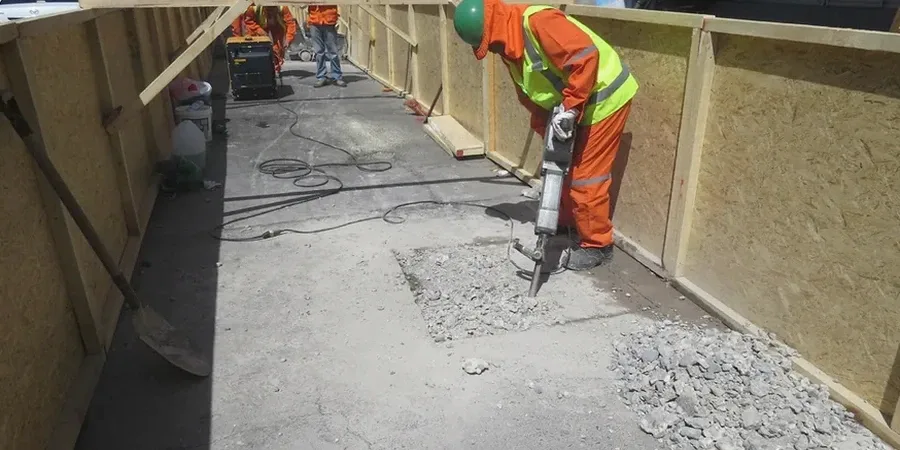
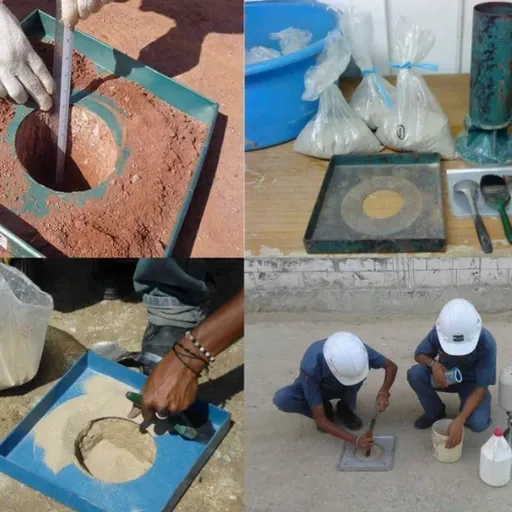
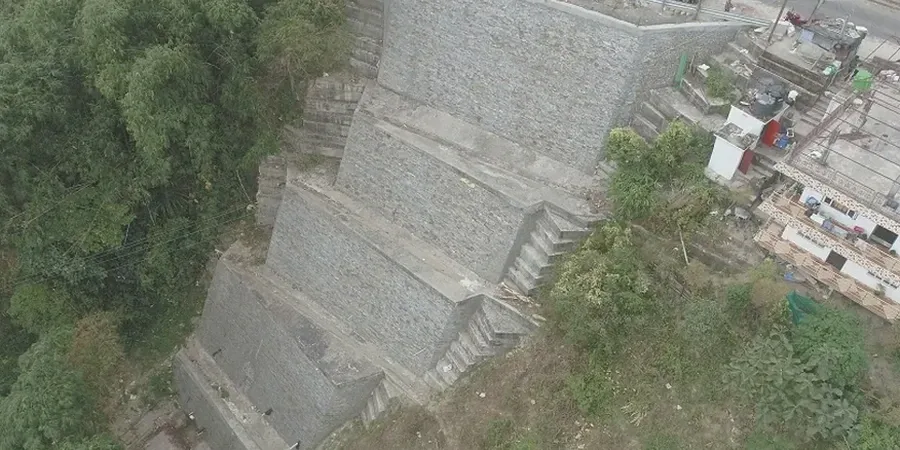
Saint John’s urban fabric is a direct reflection of its glacial and marine geology. The old Loyalist grid was laid out on a steep, rocky peninsula, while later industrial expansion pushed onto harbour fill and post-glacial marine clays near the Courtenay Bay causeway. That layered history means today’s construction sites encounter drastically different ground conditions within a single block. A deep excavation on Prince William Street might hit bedrock at three metres, while one near the port deals with saturated silts and old timber cribbing. Without continuous geotechnical excavation monitoring, surprises come fast and expensive. We deliver that data stream — vibration thresholds, lateral movement, pore pressure shifts — so that shoring design and construction sequencing adapt before a problem becomes a failure. For projects requiring supplementary investigation, the same team can deploy test pits to physically verify backfill composition or MASW surveys to map shear-wave velocity profiles across the site without disturbing sensitive adjacent structures.
In Saint John, the difference between a routine excavation and a costly setback is often just a few millimetres of undetected wall deflection in the marine clays.