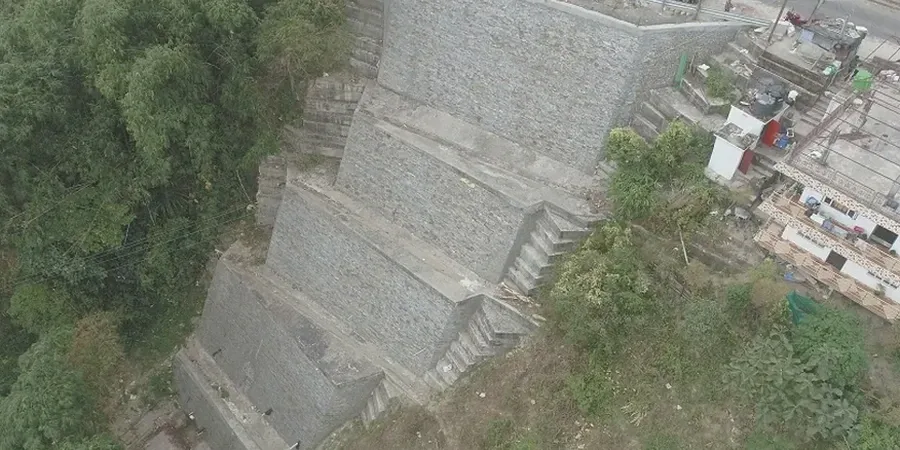
Saint John's urban fabric sits on a dramatic geological stage. The city climbs from a working harbor carved into Cambrian-era bedrock onto glacial till plains that blanket the Saint John River valley. This is not uniform ground: we encounter dense lodgment till on the east side, compressible marine silts in the old Intercolonial Railway flats, and weathered shale within three meters of surface near Rockwood Park. A soil mechanics study here has to read the landscape before it reads the lab results.
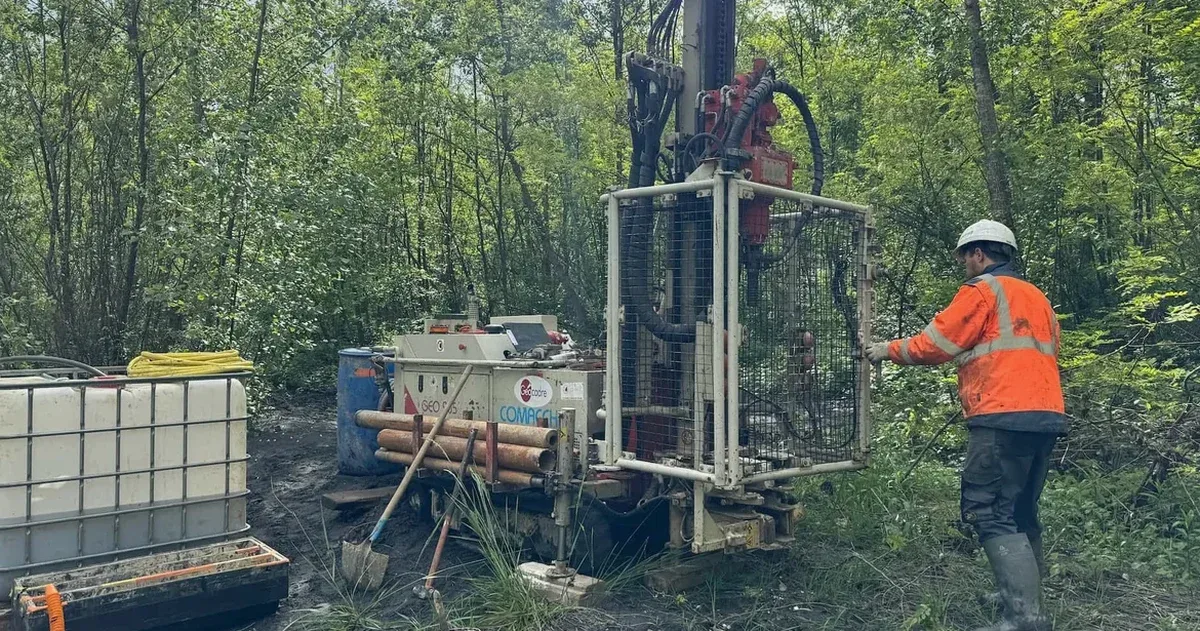
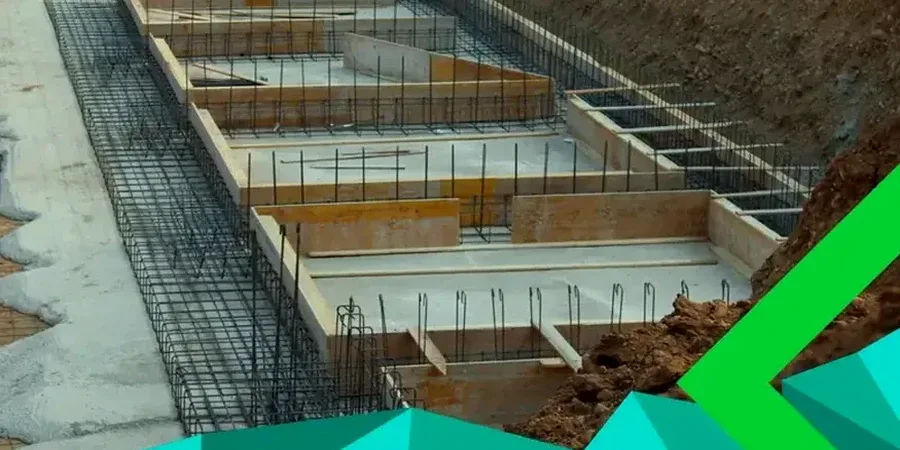
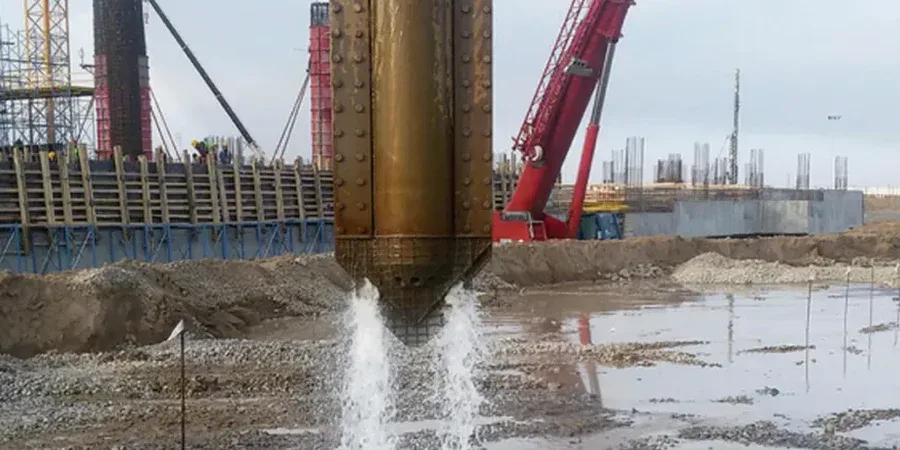
The 2020 National Building Code of Canada (NBCC 2020) and CSA A23.3 set the structural concrete requirements, but the site-specific parameters come from our index testing, triaxial shear, and consolidation analysis. For deep foundations near the Courtney Bay causeway, we often integrate spt drilling data with laboratory strength tests to confirm end-bearing capacity in fractured bedrock. Our geotechnical reports give Saint John developers the numbers they need: undrained shear strength, preconsolidation pressure, and allowable bearing pressure calibrated to local geology.
In Saint John, a soil mechanics study is not a formality. It is the difference between building on a known bearing stratum and guessing through 10,000 years of glacial and marine deposition.